
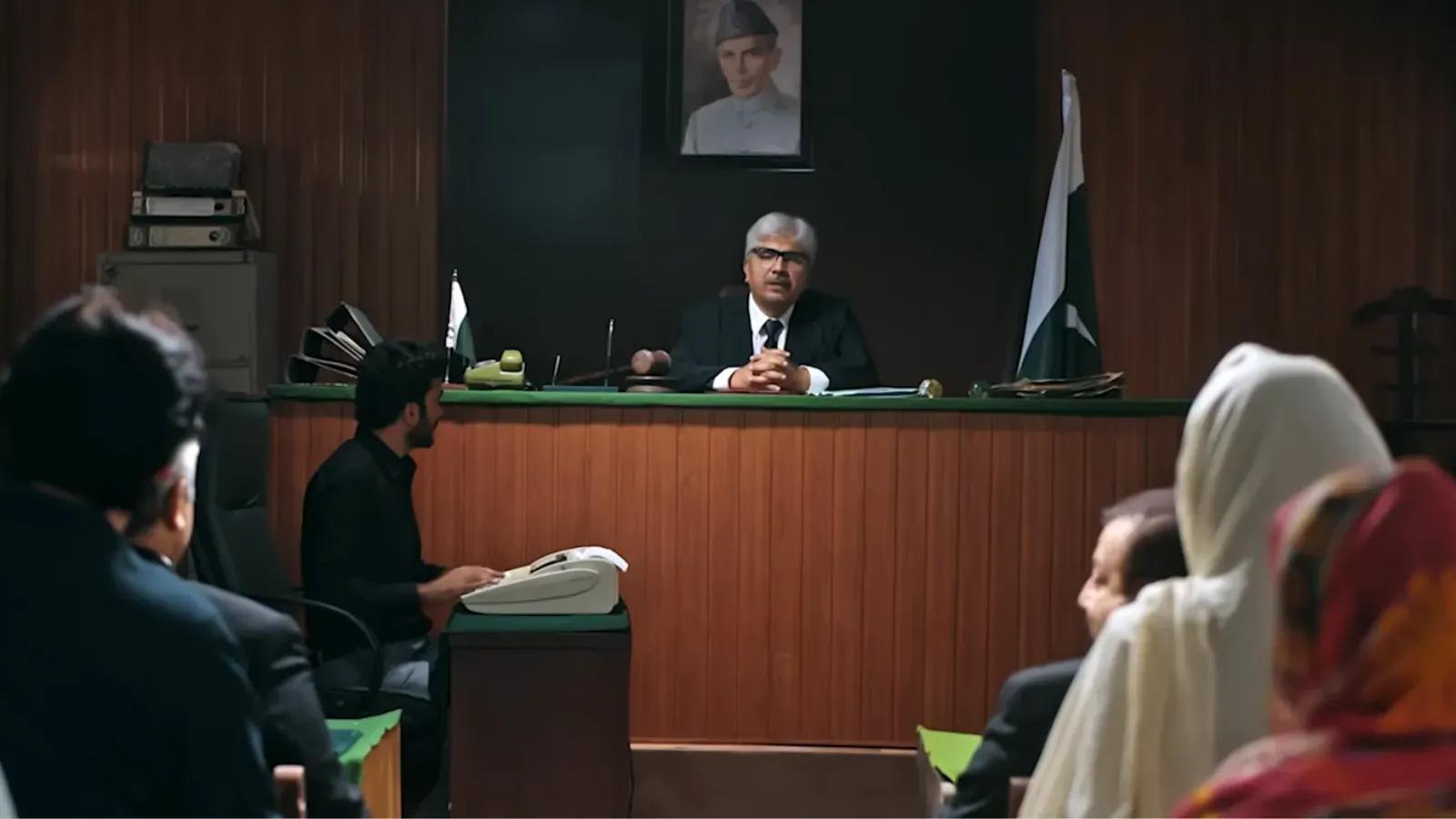
In this decisive scene from Bas Tera Saath Ho, Ansa scores a major legal victory in her long-running battle for her rightful inheritance. Inside the courtroom, the judge rules in her favor, giving her brother, Arif, a final deadline to produce evidence or face severe legal penalties for illegally attempting to sell her property and withholding rental income.
Outside the courtroom, her legal win meets a moment of quiet personal care. Anas, who was at the courthouse for a completely different matter involving his Uncle, waits outside in secret just to make sure Ansa returns home safely. The interaction that follows between them highlights the delicate balance between a woman's right to financial independence and a partner's quiet, unconditional protection.
Breaking the Stigma Around Female Inheritance
For women in traditional households, claiming an inherited property often comes with heavy social guilt. Families frequently manipulate women into giving up their land or money under the guise of maintaining peace or showing respect for male relatives. Ansa’s willingness to take her case to court directly dismantles this toxic dynamic.
Her court victory demonstrates that seeking legal justice against exploitative relatives is not a betrayal of family honor, it is a necessary stand against financial abuse. The judge’s ruling reinforces a vital truth: custom cannot override legal and moral rights, and claiming what is rightfully yours requires no apology.
Silent Protection over Public Displays
Anas’s presence on the courthouse steps highlights his steady, selfless character. Even while carrying his own heavy burdens; specifically dealing with the legal mess surrounding his uncle, he quietly prioritizes Ansa’s safety.
He does not barge into the courtroom to take credit for her success or act like a heroic savior. Instead, he waits outside out of genuine concern. In a world where toxic authority often masks itself as protection, Anas offers a refreshing alternative: a quiet, respectful presence that looks out for her well-being without stepping on her independence.
Balancing Autonomy and Marital Duty
When Ansa questions why he waited and insists she can manage her own way home, the conversation captures a realistic tension in modern relationships. Ansa guards her self-reliance fiercely, wary of letting anyone control her choices.
Anas’s response hits the right mark: he tells her clearly that she is free to make her own decisions, even if they go against his preferences, but leaving her alone in a difficult spot is something he will not do. This exchange sets a healthy boundary. It shows that personal freedom does not require pushing away true care, and real support respects individual choice without abandoning responsibility.