
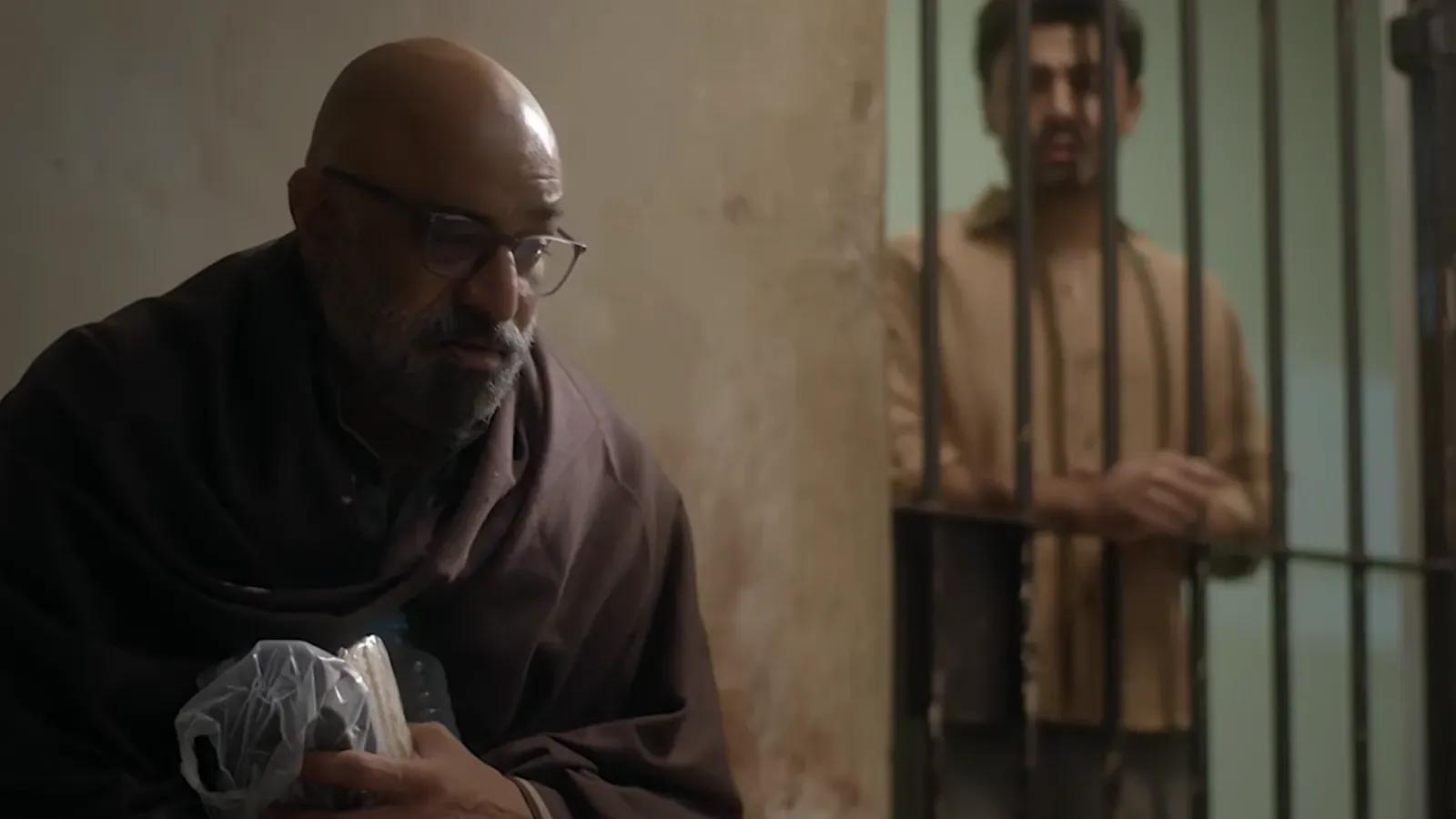
In this intense clip from Bas Tera Saath Ho, the characters face an agonizing moment of truth centered around the concept of Makafat-e-Amal; the inescapable law of moral cause and effect. Confronted with the painful consequences of past choices, the characters can no longer run from the fallout of their actions. What once seemed like hidden mistakes or clever manipulations now returns full circle, forcing a bitter reckoning upon those who thought they were immune to consequences.
Rather than treating suffering as mere bad luck, the scene frames this moment as a natural balancing of scales. It highlights the psychological crushing weight that hits a person when they realize that the pain they inflicted on others has finally arrived at their own doorstep, stripping away their pride and leaving them defenseless against their own past.
The Reality of Makafat-e-Amal and Moral Justice
At the core of this interaction is the stark reminder that no bad deed remains buried forever. In status-driven or ego-centric environments, people often act with cruelty or selfishness because they believe their power, wealth, or cleverness shields them from harm. However, the scene exposes the emptiness of that belief. Makafat-e-Amal acts as a silent, impartial force of moral justice. When the consequences finally catch up, they strip away all arrogance, proving that every action carries a hidden price tag that must eventually be paid in full.
The Breakdown of Pride and Excuses
When faced with the immediate reality of their karma, the guilty party’s usual defense mechanisms completely collapse. Excuses, shifts of blame, and hollow justifications no longer work when the truth is laid bare. The scene captures the deep panic that sets in when someone realizes they have run out of options and can no longer control the narrative. The very power they used to control or hurt others disappears, replacing their former confidence with helplessness and shame.
&sttick=0
The Painful Path Toward Realization and Accountability
Ultimately, this reckoning serves as a crucial turning point for personal accountability. Facing the consequences of one's actions is painful, but it is the only way true realization can take place. The scene demonstrates that avoiding accountability only delays the inevitable, making the eventual fallout far more severe. By showing the raw emotional cost of past wrongdoing, the narrative emphasizes that peace can never be built on the suffering of others. Real peace only begins when a person faces their mistakes, accepts the consequences, and submits to moral truth.