
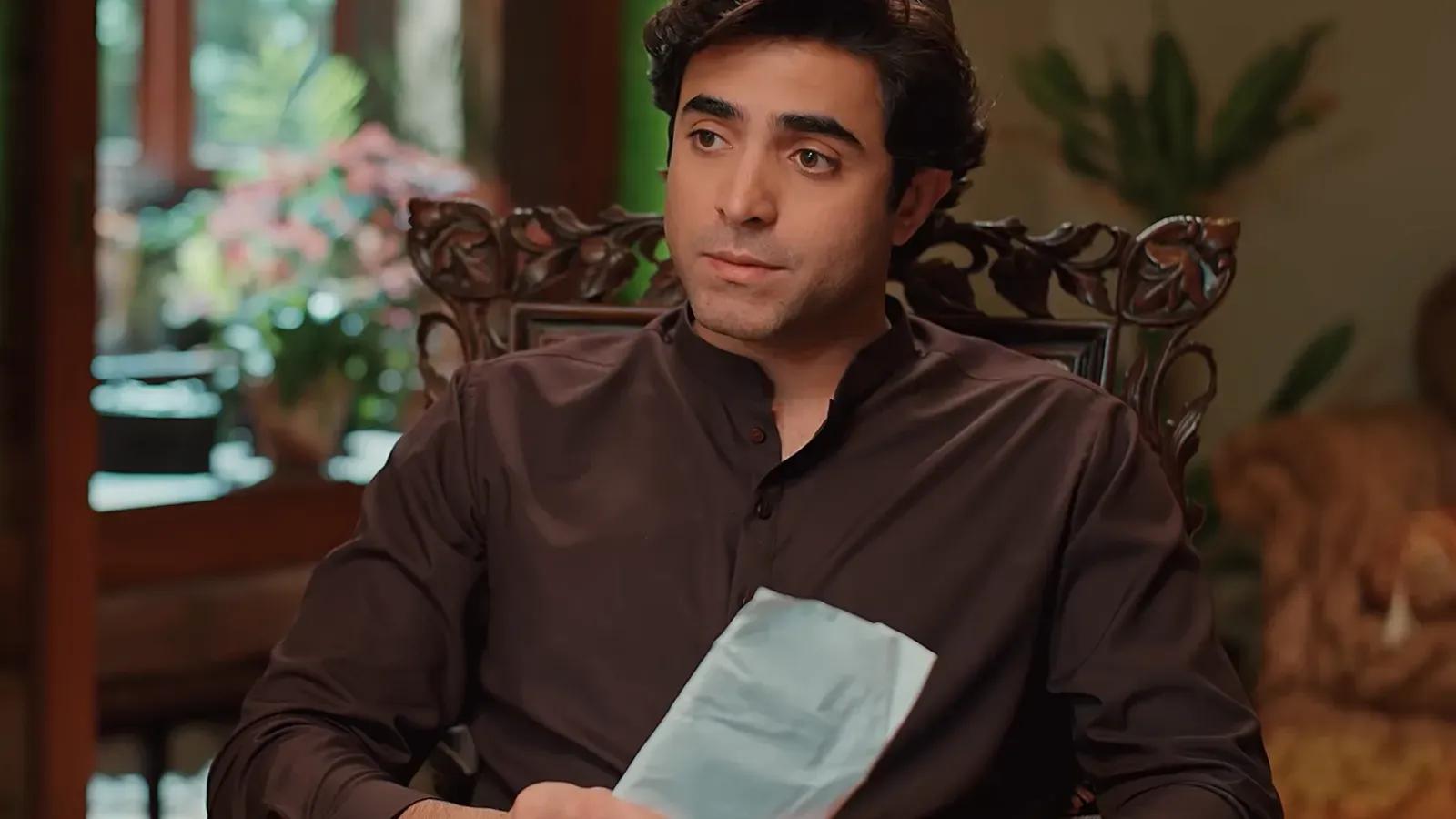
The scene contrasts two opposing mindsets in contemporary Pakistani society: one that views marriage as an economic transaction used to purchase social standing, and another anchored in financial independence, self-respect, and moral clarity. By firmly stating that he earns well and refuses to buy into superficial traditions ("Mein rasmon mein yaqeen nahi rakhta..."), Abu Bakr exposes the inherent toxicity of class posturing and dowry culture, establishing a stark moral counterweight to characters who navigate relationships through leverage and material greed.
The Economy of Marriage: Transaction vs. Moral Clarity
In Dar-e-Nijaat, the proposal brought to Abu Bakr’s doorstep functions as a representation of society’s obsession with material bargaining. The visiting family arrives not to establish a genuine human connection, but to strike an economic deal, attempting to secure Abu Bakr’s hand by flashing wealth, property, and influence. This approach reflects a pervasive social illness: the transformation of marriage from a sacred partnership into a transactional contract where human worth is measured entirely by financial assets and material displays.
The Rejection of Dowry and Material Posturing
Abu Bakr’s response serves as a sharp rejection of class performativity and the covert forms of dowry that govern elite matchmaking. When he flatly refuses the gifts and money, declaring that he earns his own living and has no faith in empty superficial customs, he dismantles the power dynamic the wealthy family attempts to build. In a culture where material gifts are often used to assert dominance or buy compliance, returning those items is an act of defiance. Abu Bakr strips away the illusion that wealth grants moral authority, demonstrating that true dignity cannot be bought or negotiated.
Class Incompatibility and the Defense of Personal Identity
Beyond the rejection of material wealth, the scene highlights the deep-seated friction between social classes. Wealthy families frequently enter middle-class spaces expecting deference, assuming their financial superiority will automatically command obedience. Abu Bakr recognizes that marrying into a family obsessed with material status would inevitably lead to feeling superior and entitled. By holding firm to his own principles and choosing a path aligned with his values rather than superficial status, he draws a sharp line against people craving societal approval, proving that personal integrity remains superior to the hollow allure of material wealth.