

The Cost of Zamil’s Betrayal in Dar-e-Nijaat

The Cost of Zamil’s Betrayal in Dar-e-Nijaat

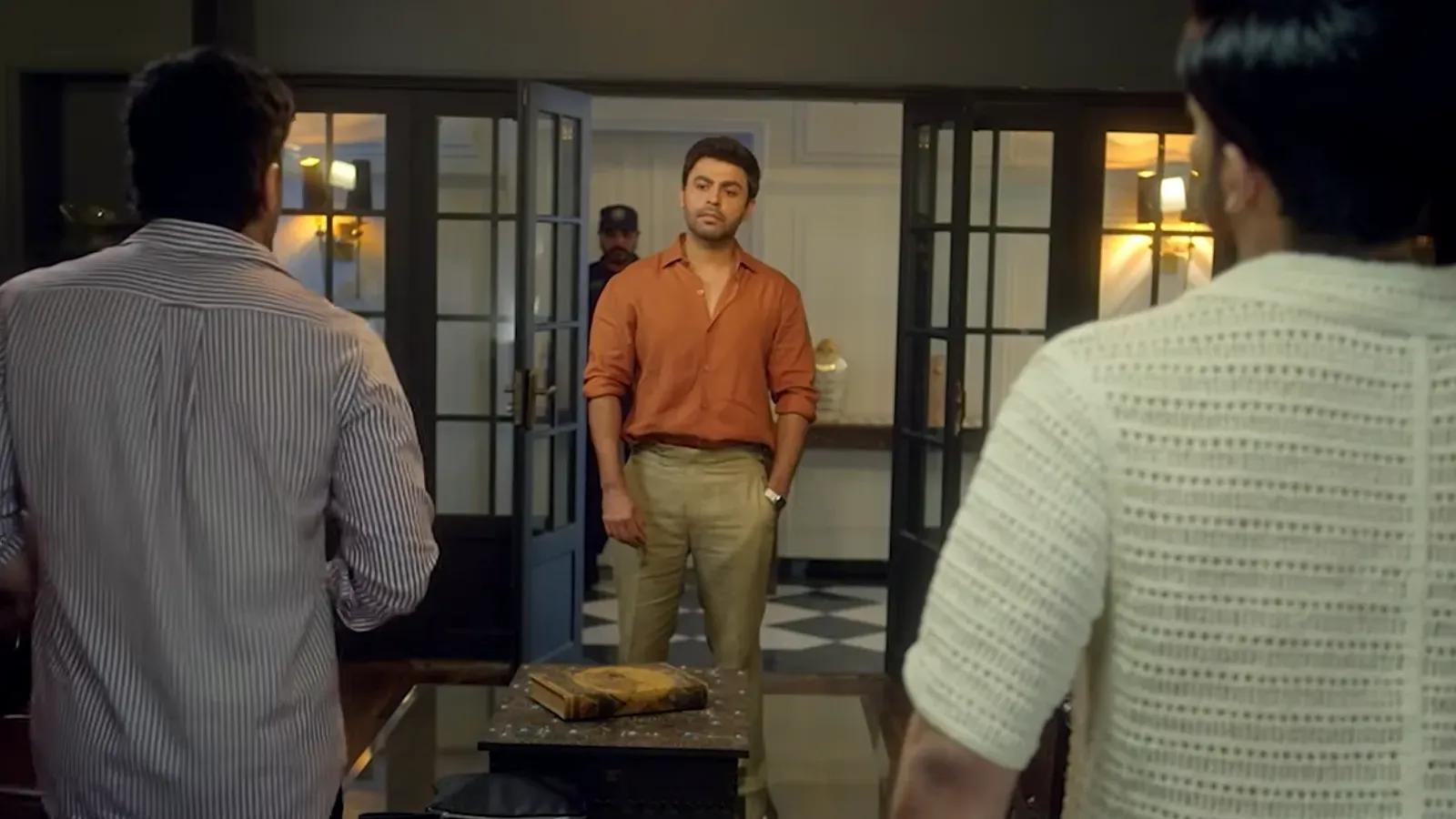
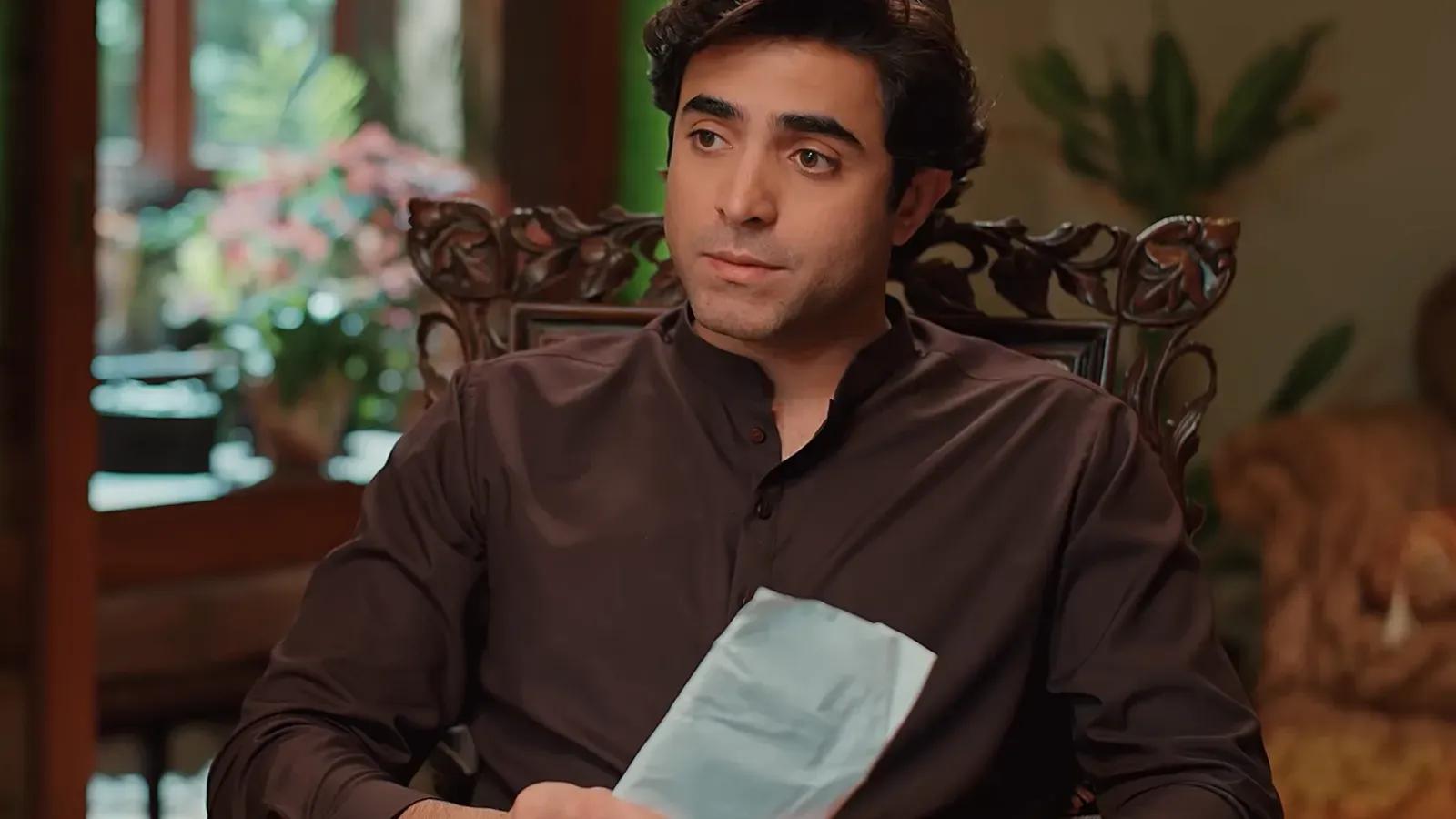
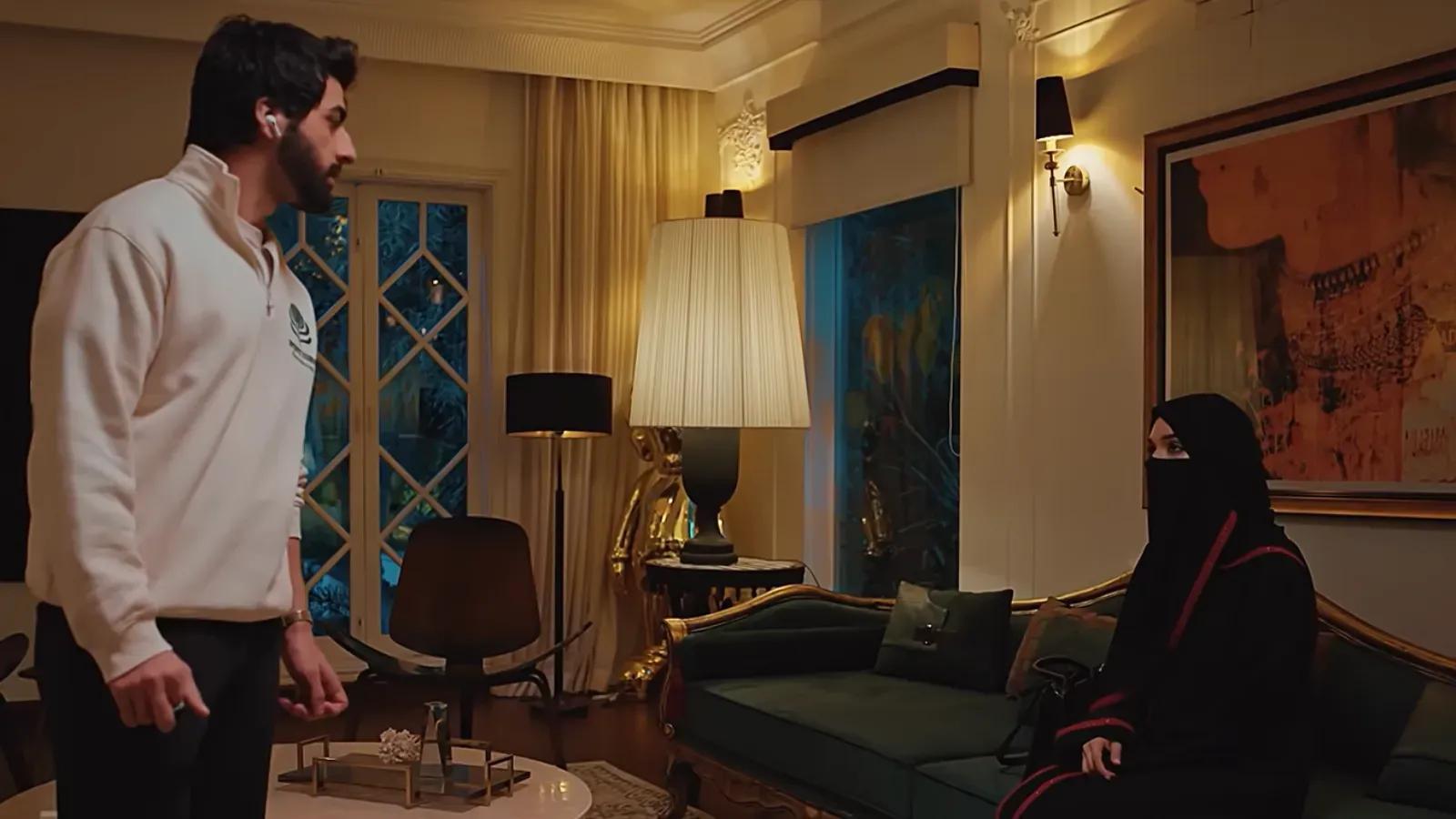
In this intense sequence from Dar-e-Nijaat, Zamil’s family is casually sitting together at home, happily planning a family vacation to the northern areas. The relaxed mood instantly shatters when Zamil walks in and drops a massive bombshell: he has already performed a secret Nikkah with another woman, who is currently sitting downstairs in their drawing room.His family reacts with utter shock, initially hoping it is a bad joke or a cruel prank. When Zamil confirms the marriage and admits he kept it secret because he knew they would reject her background, his father's patience snaps completely. Refusing to accept a decision made behind his back, his father disowns Zamil’s action and orders him to leave the house immediately.The Illusion of Casual EntitlementZamil’s behavior reveals the dangerous arrogance of a privileged son. He interrupts a warm family moment, and presents a secret marriage as a simple decision they must quietly accept.His statement that he is an adult and has the righ...

Read Full Story →
Spiritual Superiority as Toxic Control in Dar-e-Nijaat

Spiritual Superiority as Toxic Control in Dar-e-Nijaat

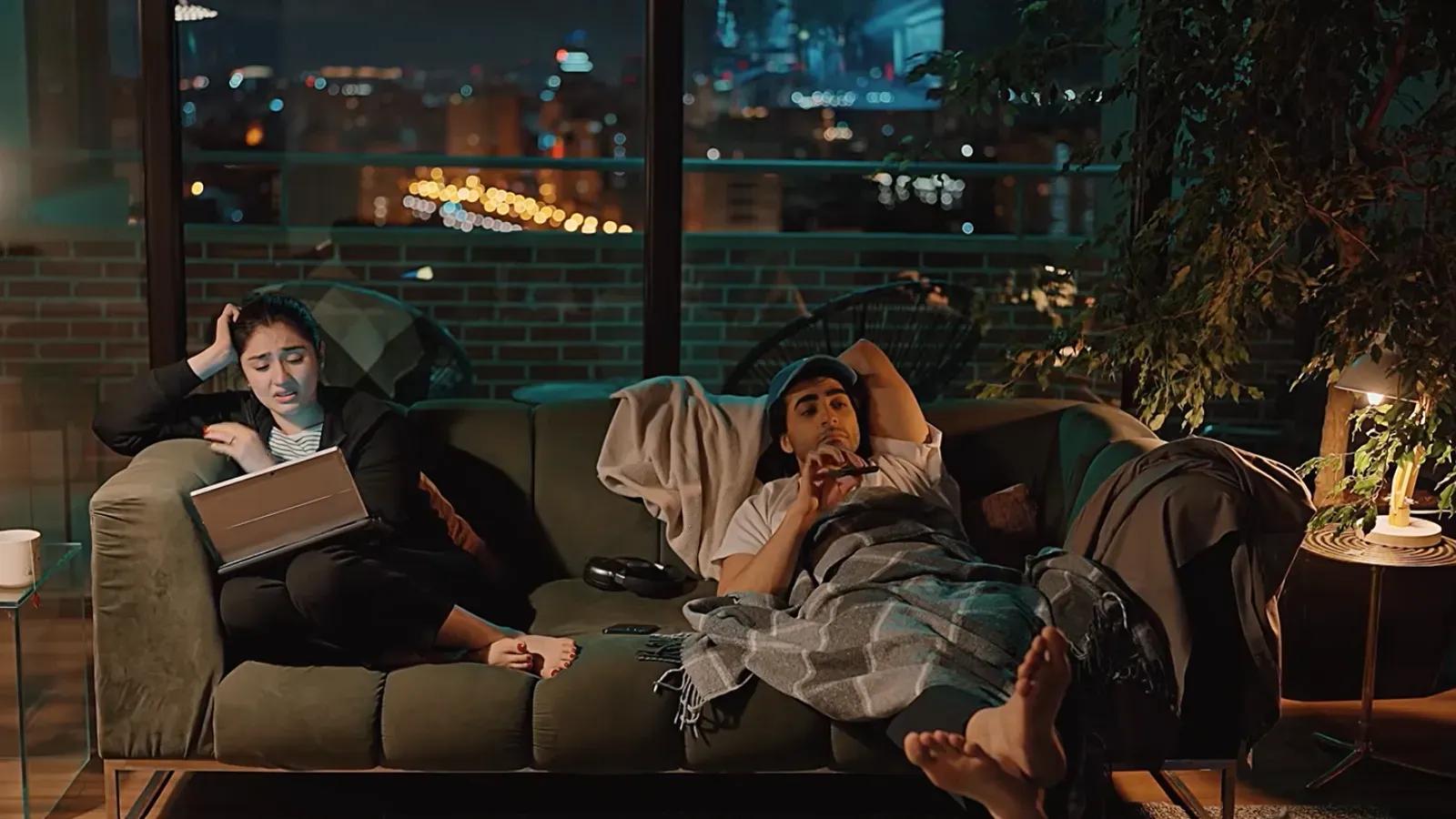
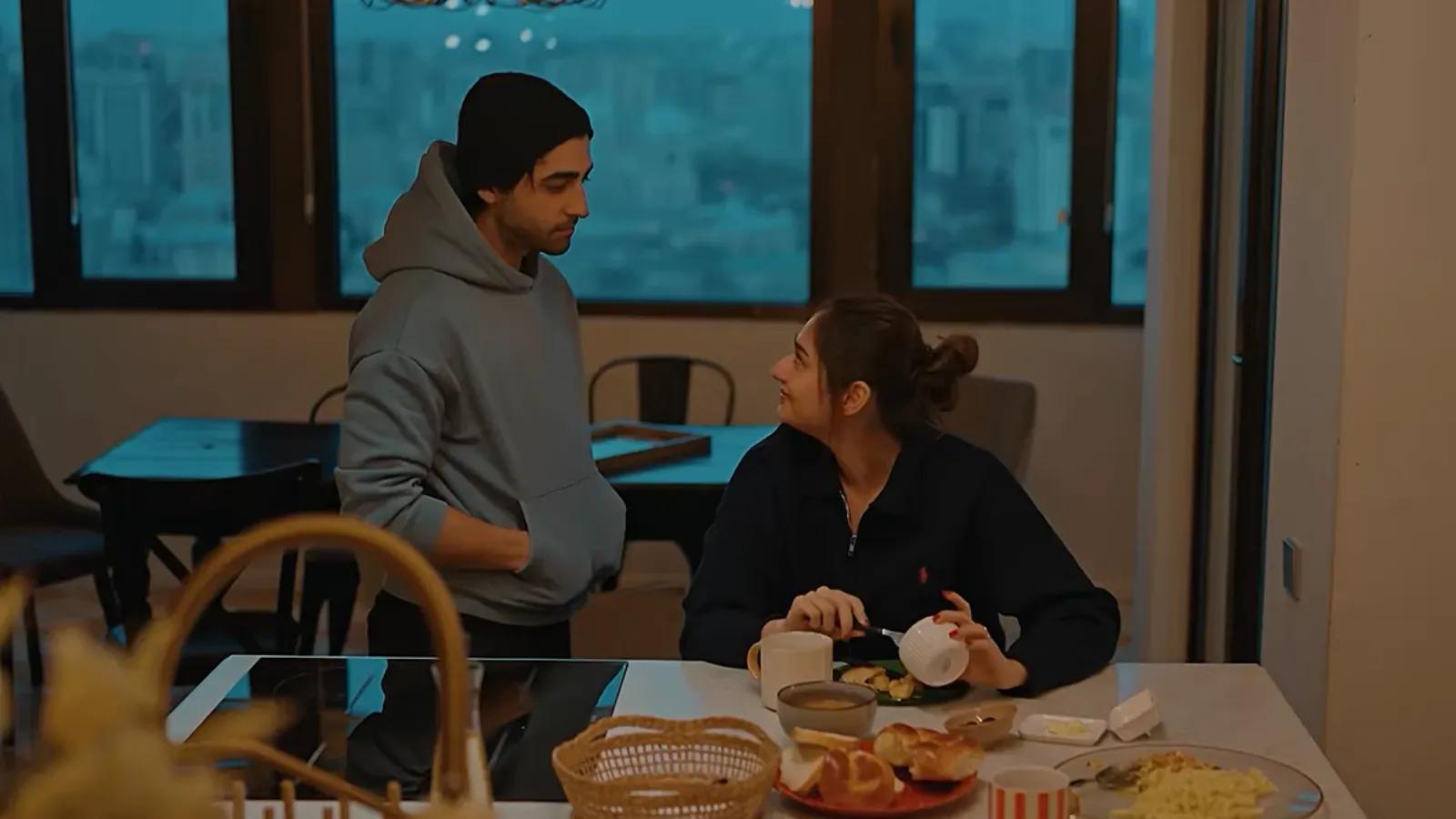
In this telling scene from Dar-e-Nijaat, Zamil and Zaryab share a conversation before Zamil returns to Pakistan. Zaryab brings up how Abu Bakr, her distant relative, is helping resolve Faryal and Shuja’s dispute through a mutual connection. Instead of appreciating the help, Zamil reacts with irritation over Abu Bakr’s growing involvement in Zaryab’s family’s private affairs.The conversation quickly shifts to Zamil’s claim that he plans to focus on religious practices (Sunnah) upon returning home. When Zaryab lightheartedly questions his sudden shift, Zamil responds with harsh condescension. He tells her that religious understanding is not for someone like her, openly criticizing her lifestyle and clothing, and claiming her heart lacks the spiritual worth to be chosen by God.The Weaponization of Faith and VirtueZamil’s behavior in this interaction reveals how spiritual rhetoric can be weaponized to demean others. Rather than approaching religion with humility, Zamil uses it as a tool to...

Read Full Story →
The Ultimate Standoff in Mirza Ki Heer

The Ultimate Standoff in Mirza Ki Heer

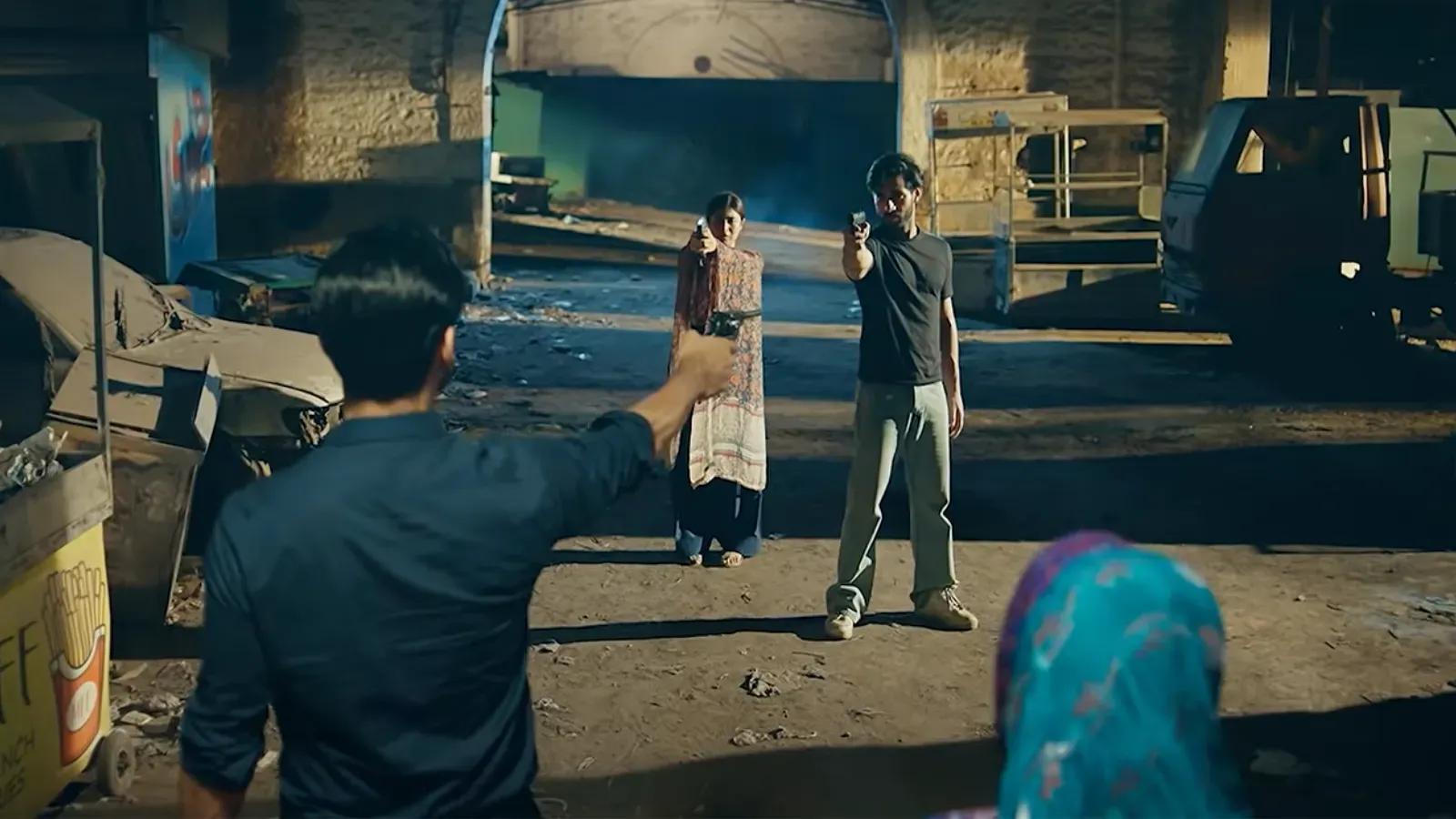
In this emotional and tense scene from Mirza Ki Heer, Dilnawaz finally faces Heer and Mirza at point-blank range. Mirza explains clearly that he chose to wait for Dilnawaz rather than running off, because running away would never grant Heer true freedom.Cornered, Dilnawaz turns his obsession into a dangerous standoff. Holding a gun, he bitterly confronts Heer, although she never gave him any love, she treated him like a fierce enemy. When Heer points a weapon at him, her hands shake, showing her internal struggle to cross a moral line. Seeing her hesitate, Dilnawaz taunts her and threatens to kill Mirza. In a shocking, dramatic twist, the bitter confrontation ends in gunshots bringing their toxic rivalry to a tragic, final stop.https://www.youtube.com/watch?v=QbHi7CO_b7IThe Danger of Treating Love as OwnershipDilnawaz’s dialogue exposes the scary mind of a person who mistakes control for love. He tells Heer that if he cannot have her love, he will take her hatred, because he views her...

Read Full Story →
Turning the Tables: Mirza Uses Strategy Over Silence in Mirza Ki Heer

Turning the Tables: Mirza Uses Strategy Over Silence in Mirza Ki Heer

In this high-stakes scene from Mirza Ki Heer, Mirza arrives to find Heer, but refuses to simply run away into hiding as Dilnawaz’s mother urgently begs him to do so. He knows that running will only leave Heer branded as a criminal forever in the eyes of the public.Instead of escaping, Mirza sets a clever trap. He ties up the guards, isolates Dilnawaz, and sets up a plan where Dilnawaz walks straight into trouble. Mirza shares his location with Babar and asks him to bring the police right away. By turning Dilnawaz’s own tricks against him, Mirza ensures the real villain gets caught red-handed.https://www.youtube.com/watch?v=NGv5czCVy6gRefusing to Keep Running AwayIn many dramatic stories, people in trouble are told to run away and hide to stay safe. Mirza directly rejects that old choice. When Dilnawaz's mother urges him to take Heer and flee before Dilnawaz gets back, Mirza stands firm and says he will not repeat that mistake.He understands an important truth: running away leaves all t...

Read Full Story →
From Blamed Orphan to Smart Fighter: Anas Uses the Truth in Bas Tera Saath Ho

From Blamed Orphan to Smart Fighter: Anas Uses the Truth in Bas Tera Saath Ho

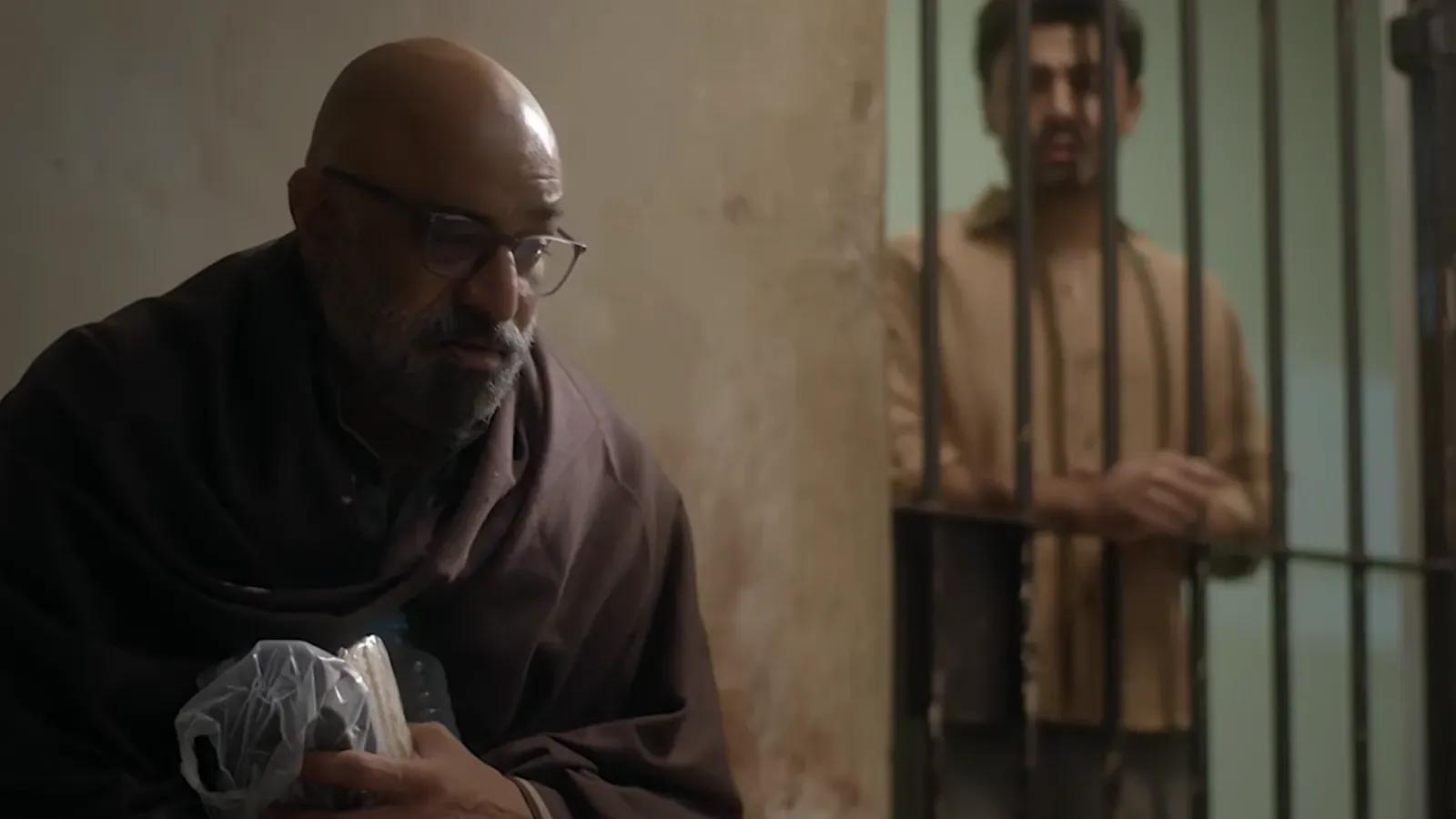
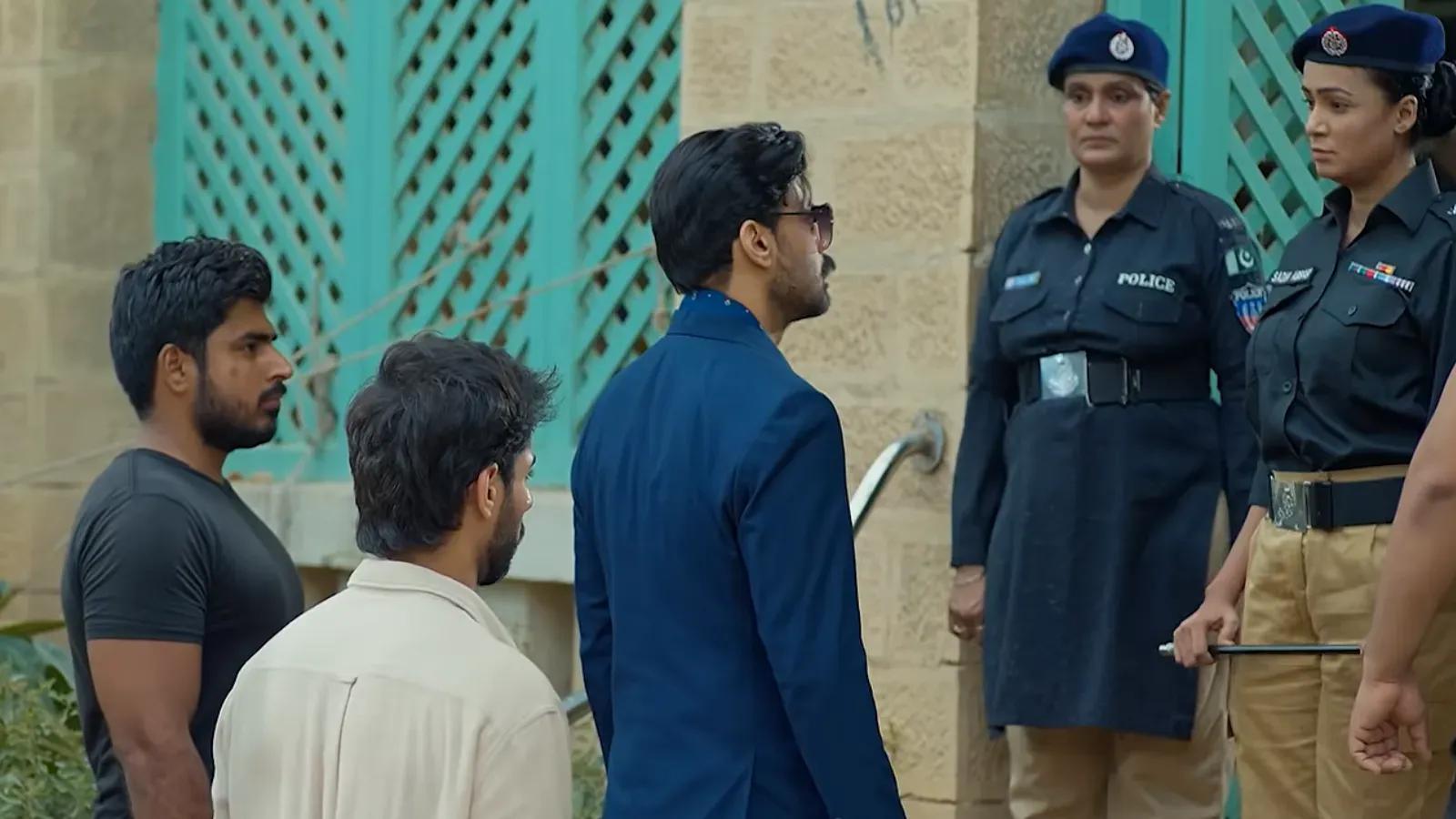
In this big turning point in Bas Tera Saath Ho, Anas stops being the silent victim of his family's bullying and steps up as a smart, brave truth-seeker. He walks right into the house of Shayan’s rich friends to demand answers about where Shayan is hiding. Shayan is the real criminal whose illegal moves left his own father, Mursaleen, sitting behind bars.When these rich young men try to laugh at Anas and use security guards to intimidate him, Anas does not back down. Instead, he listens carefully and catches them in a trap. They accidentally slip up and mention secret details about how the juice was poisoned; details only the real criminals would know. Anas warns them clearly: next time he comes back, he will bring the police and leak their crimes to the news, which would ruin the political career of Sajid's father.Standing Up to His BulliesFor a long time, Anas was taught to keep his head down, stay quiet, and take the blame whenever his family made a mistake. This scene shows him brea...

Read Full Story →
Justice in the Courtroom, Care on the Steps in Bas Tera Saath Ho

Justice in the Courtroom, Care on the Steps in Bas Tera Saath Ho

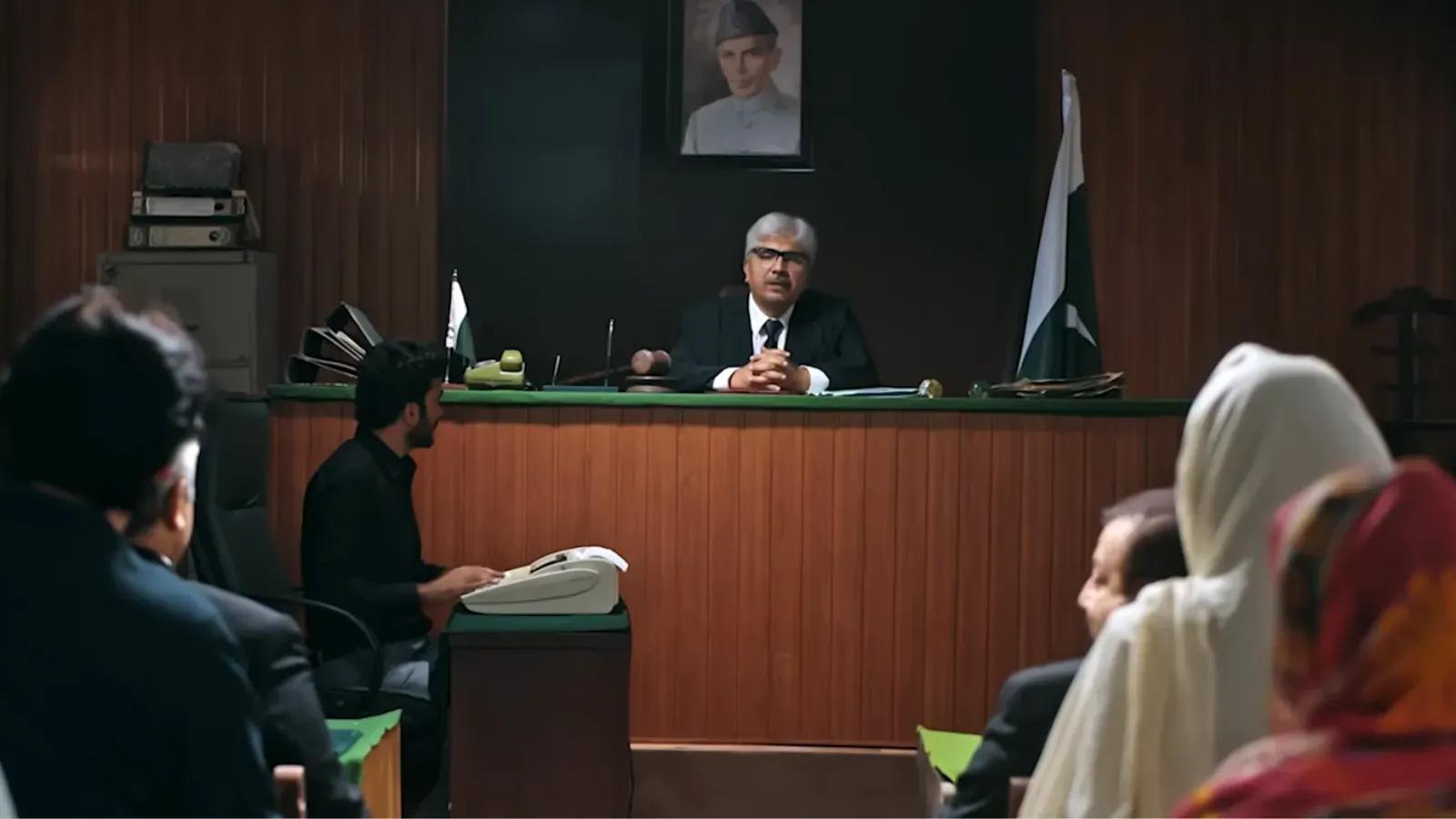
In this decisive scene from Bas Tera Saath Ho, Ansa scores a major legal victory in her long-running battle for her rightful inheritance. Inside the courtroom, the judge rules in her favor, giving her brother, Arif, a final deadline to produce evidence or face severe legal penalties for illegally attempting to sell her property and withholding rental income.Outside the courtroom, her legal win meets a moment of quiet personal care. Anas, who was at the courthouse for a completely different matter involving his Uncle, waits outside in secret just to make sure Ansa returns home safely. The interaction that follows between them highlights the delicate balance between a woman's right to financial independence and a partner's quiet, unconditional protection.Breaking the Stigma Around Female InheritanceFor women in traditional households, claiming an inherited property often comes with heavy social guilt. Families frequently manipulate women into giving up their land or money under the guise...

Read Full Story →
The Scales of Retribution: Karma and Moral Consequences in Bas Tera Saath Ho

The Scales of Retribution: Karma and Moral Consequences in Bas Tera Saath Ho

In this intense clip from Bas Tera Saath Ho, the characters face an agonizing moment of truth centered around the concept of Makafat-e-Amal; the inescapable law of moral cause and effect. Confronted with the painful consequences of past choices, the characters can no longer run from the fallout of their actions. What once seemed like hidden mistakes or clever manipulations now returns full circle, forcing a bitter reckoning upon those who thought they were immune to consequences.Rather than treating suffering as mere bad luck, the scene frames this moment as a natural balancing of scales. It highlights the psychological crushing weight that hits a person when they realize that the pain they inflicted on others has finally arrived at their own doorstep, stripping away their pride and leaving them defenseless against their own past.The Reality of Makafat-e-Amal and Moral JusticeAt the core of this interaction is the stark reminder that no bad deed remains buried forever. In status-driven...

Read Full Story →
Confronting Internalized Trauma in Bas Tera Saath Ho

Confronting Internalized Trauma in Bas Tera Saath Ho

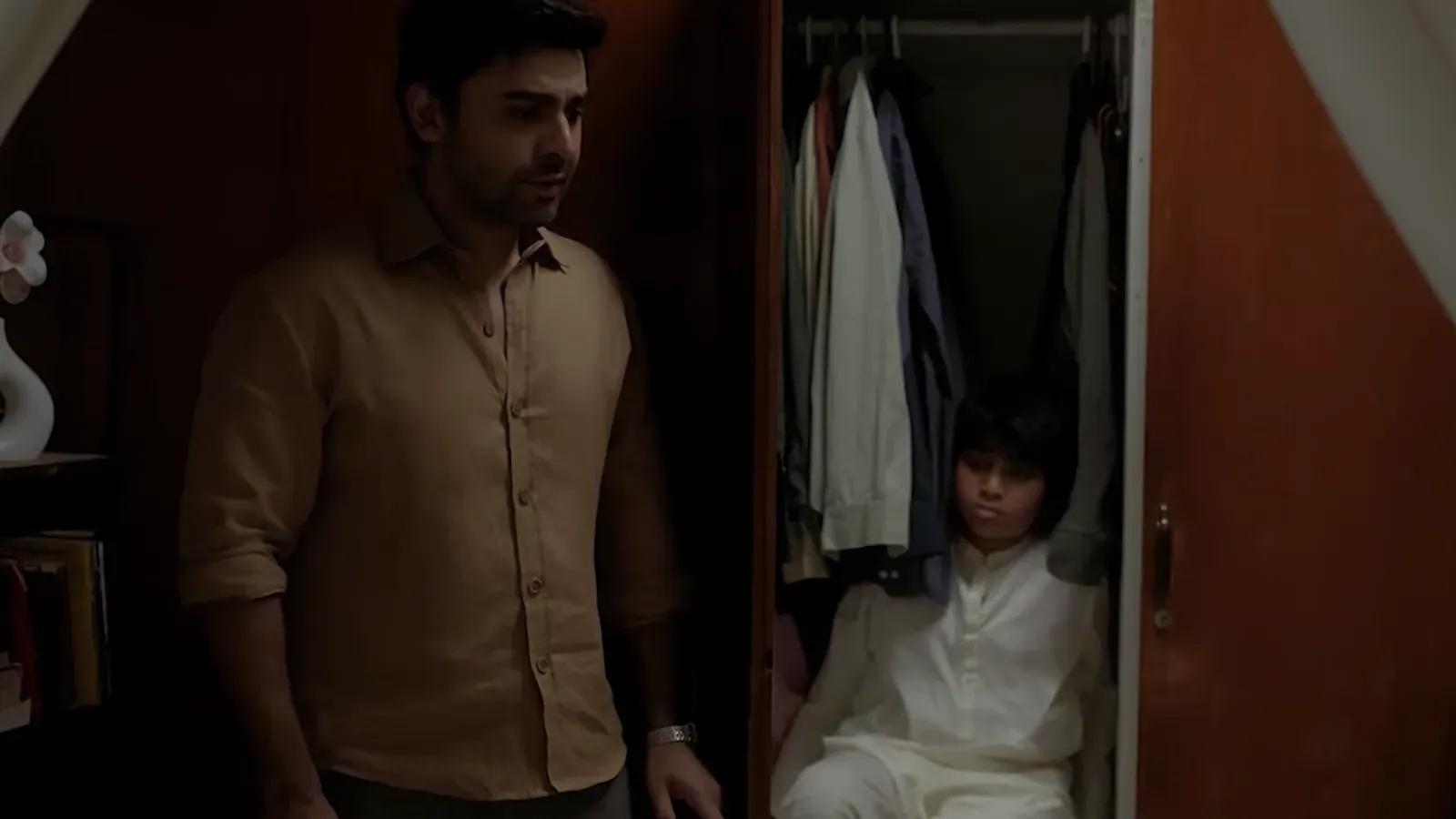
In this powerful scene from Bas Tera Saath Ho, Farhan Saeed’s character, Anas, kneels down to talk directly to a younger version of himself, who is hiding inside a dark wooden closet. On the surface, it looks like a man comforting a scared little boy, but it is actually an inner mental battle. The closet represents the dark, hidden place where we store our scary memories, old fears, and pain from growing up.Instead of ignoring his past or telling himself to "man up," Anas chooses to look his childhood fears right in the eye. He steps back into his own past to give that scared little boy the safety, love, and protection he never got when he was small. By sitting with his younger self and giving him a big hug, he stops running from his pain and finally begins to heal from the inside out.The Hidden Fears We Carry from ChildhoodA child crouching inside a dark, cramped closet is a strong image of how fear works. When kids grow up in homes filled with fighting, strict pressure, or neglect, t...

Read Full Story →
Trading Principles for Privilege: Abu Bakr’s Stand in Dar-e-Nijaat 

Trading Principles for Privilege: Abu Bakr’s Stand in Dar-e-Nijaat 

The scene contrasts two opposing mindsets in contemporary Pakistani society: one that views marriage as an economic transaction used to purchase social standing, and another anchored in financial independence, self-respect, and moral clarity. By firmly stating that he earns well and refuses to buy into superficial traditions ("Mein rasmon mein yaqeen nahi rakhta..."), Abu Bakr exposes the inherent toxicity of class posturing and dowry culture, establishing a stark moral counterweight to characters who navigate relationships through leverage and material greed.The Economy of Marriage: Transaction vs. Moral ClarityIn Dar-e-Nijaat, the proposal brought to Abu Bakr’s doorstep functions as a representation of society’s obsession with material bargaining. The visiting family arrives not to establish a genuine human connection, but to strike an economic deal, attempting to secure Abu Bakr’s hand by flashing wealth, property, and influence. This approach reflects a pervasive social illness: th...

Read Full Story →
The Anatomy of Moral Superiority: Rejecting Judgment in Dar-e-Nijaat

The Anatomy of Moral Superiority: Rejecting Judgment in Dar-e-Nijaat

Diving deeper into this character study from Dar-e-Nijaat, the confrontation between Zaryab and Zamil exposes the fracture line where romantic expectations collide with personal identity. When Zamil attempts to measure Zaryab against an idealized blueprint of traditional compliance, Zaryab's sharp declaration, "Tum mujhe judge nahi kar sakte, Zamil" reclaims her agency and dismantles his assumed moral authority.The Trap of Idealized ExpectationsZamil enters the relationship operating under a subtle form of male entitlement: the belief that his partner must reshape herself to fit his personal standards and family preferences. Rather than accepting Zaryab as an equal individual, he imposes conditional affection, attempting to audit her character, choices, and lifestyle. Zamil’s criticism isn't about mutual growth; it’s an attempt to exercise control by making Zaryab feel inadequate or out of alignment with what he deems "acceptable." By measuring her against traditional tropes of docilit...

Read Full Story →
High-Stakes Confrontation and Strategic Mind Games in Mirza Ki Heer

High-Stakes Confrontation and Strategic Mind Games in Mirza Ki Heer

In this explosive episode of Mirza Ki Heer, the long-brewing feud between Z.A. Dilnawaz and Taimoor Mirza spills out into the public eye, morphing from a bitter personal grudge into a high-stakes media spectacle and legal showdown. With key witnesses dead, Heer missing, and law enforcement moving in, both sides are forced to pivot fast.Flipping the Media NarrativeDilnawaz initially steps up to the press with a carefully calculated narrative, attempting to paint Heer as the leader of a dangerous criminal syndicate and Taimoor as her accomplice. He leverages public fear and the tragedy of a fallen senior police officer to corner his rivals.Instead of hiding or letting Dilnawaz dictate the narrative, Taimoor steps directly into the spotlight and calls out Dilnawaz's attempt to manipulate the public, making it clear that neither Dilnawaz nor the media gets to act as judge and jury over Heer's fate. He goes on to challenge the authorities to focus on actually finding Heer rather than entert...

Read Full Story →
Toxic Possession and Fragile Ego in Mirza Ki Heer

Toxic Possession and Fragile Ego in Mirza Ki Heer

When Bee Ji, Dilnawaz’s mother pleads with him to let Heer live her own life peacefully, he responds with a disturbing sense of ownership. He rejects the idea that Heer could ever escape him, claiming that every path she takes inevitably leads back to him. Rather than acknowledging Heer’s personal choices or independence, Dilnawaz reframes her actions as fate, using it as an excuse to keep tying her life back to his own ego.Ego Masked as LoveThe most telling moment occurs when Dilnawaz expresses deep offense at the thought of Heer being content in her own quiet world. To him, her finding peace or joy outside of his presence feels like a personal insult, a direct threat to his need for control. His insistence on controlling her narrative reveals that his interest in Heer is not rooted in selfless affection, but in validating his own self-importance.https://www.youtube.com/watch?v=g6Nj-HbRXf4Shutting Down the Voice of ReasonBee Ji tries to act as a moral compass, warning Dilnawaz that hi...

Read Full Story →
Page 2 of 188